
MAJOR PROGRESS IN NEGOTIATIONS WITH THE COUNCIL ON THE REGULATION AGAINST CHILD SEXUAL ABUSE
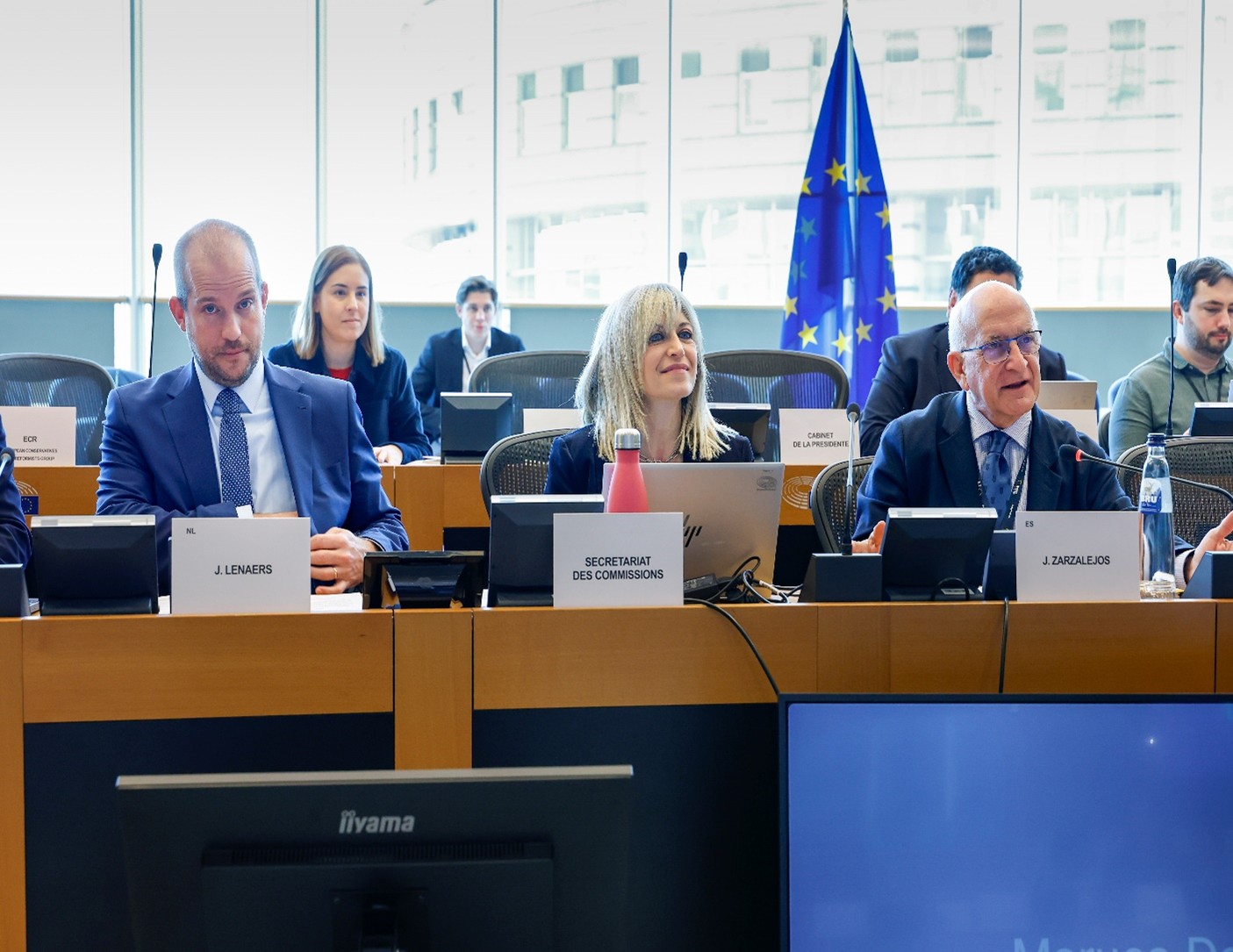
On 26 February, the second trilogue on the Regulation establishing rules to prevent and combat child sexual abuse was held. This meeting was the first to address substantive content and the first to take place under the Cypriot Presidency. The previous trilogue, held on 9 December under the Dutch Presidency, served as an initial exchange between the three institutions—the European Council, Parliament, and Commission—and tasked technical teams with beginning work on the file.
Since then, progress has been more than notable. Chapter IV, which concerns the new agency—the EU Centre for the Protection of Children from Child Sexual Abuse—has been almost entirely finalized. One of the main achievements has been that both institutions agreed that the future Centre should also include a Victims’ Consultative Forum, a key mechanism to ensure that the voice and experience of victims are taken into account in the development of its activities. Through this forum, victims and their representatives will be able to share their perspectives and help guide the Centre’s policies, tools, and operational priorities, ensuring that its work responds to the real needs of those directly affected by child sexual abuse.
In addition, the Council has accepted the European Parliament’s proposal to establish a Fundamental Rights Officer. The creation of this role would ensure continuous and independent oversight of the Centre’s activities, including monitoring compliance with fundamental rights, advising on safeguards in operational procedures, and carrying out internal assessments. As already demonstrated in agencies such as Europol, this structure strengthens accountability, integrates fundamental rights considerations into daily operations, and enhances transparency and public trust.
Another important achievement for Parliament has been the agreement to create the European Child Protection Platform. This platform will provide a single, accessible, and child-friendly entry point across the Union, offering 24/7 information in all EU languages on national helplines and reporting channels. In this way, it will facilitate rapid and effective access to support and protection services for minors who may be at risk or in need of assistance.
Significant progress was also made regarding Chapter III of the proposal, advancing the definition of the institutional framework that Member States will need to establish, as well as the powers that national authorities will have to effectively implement this regulation. Following this progress, technical teams have already begun working on Chapter II, which concerns the obligations of service providers to prevent and combat online child sexual abuse.