
NEW VICTIMS’ RIGHTS DIRECTIVE APPROVED, EXPANDING RIGHTS AND PROTECTING THE DIGNITY OF CRIME VICTIMS
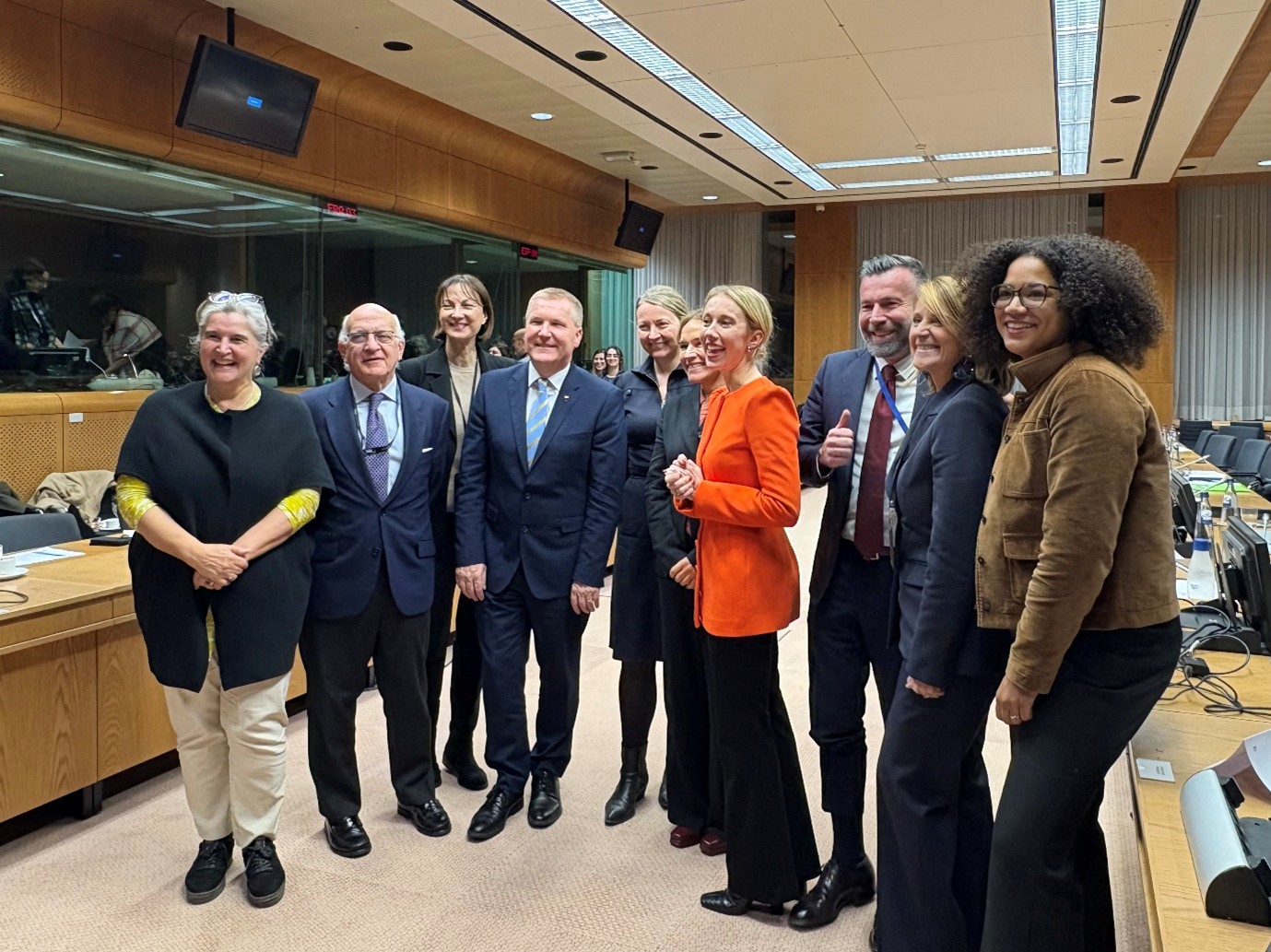
The Council Presidency, the Commission, and the European Parliament’s negotiating team, led by Javier Zarzalejos (EPP) and Lucia Yar (Renew), have reached an agreement on the new Directive on the Rights of Victims of Crime. This represents a major step forward in harmonising the rights of crime victims across the European Union.
The Member of the European Parliament from the People’s Party, Javier Zarzalejos, welcomed the inclusion in the Directive of specific measures for the most vulnerable groups, as well as improvements to victims’ rights to participate in criminal proceedings. These include easier access to reporting crimes, broader and more effective legal assistance, access to compensation, and strengthened protection of victims’ identity vis-à-vis their aggressors.
In addition, among the most significant measures—introduced at the proposal of the People’s Party—is the obligation imposed on Member States to protect victims from the additional harm caused by violations of their dignity resulting from the glorification or justification of serious crimes and their perpetrators, such as, for example, public tributes to individuals convicted of terrorism. “This Directive responds to a long-standing demand from victims of terrorism, including victims of ETA, who for too long have seen their dignity humiliated by acts honoring their executioners,” Zarzalejos stressed.
As Chair of the European Parliament’s Committee on Civil Liberties, Zarzalejos also successfully negotiated the introduction of victims’ right to receive all information generated during judicial proceedings that affect them, granting them greater protection throughout those procedures. In addition, victims must be informed if their offender has been released under judicial supervision, transferred to a different location, or has obtained prison benefits, a sentence reduction, or an early termination of criminal liability.
The next step will be to ensure that Member States transpose the Directive rigorously and swiftly, thereby updating the 2012 text currently in force.